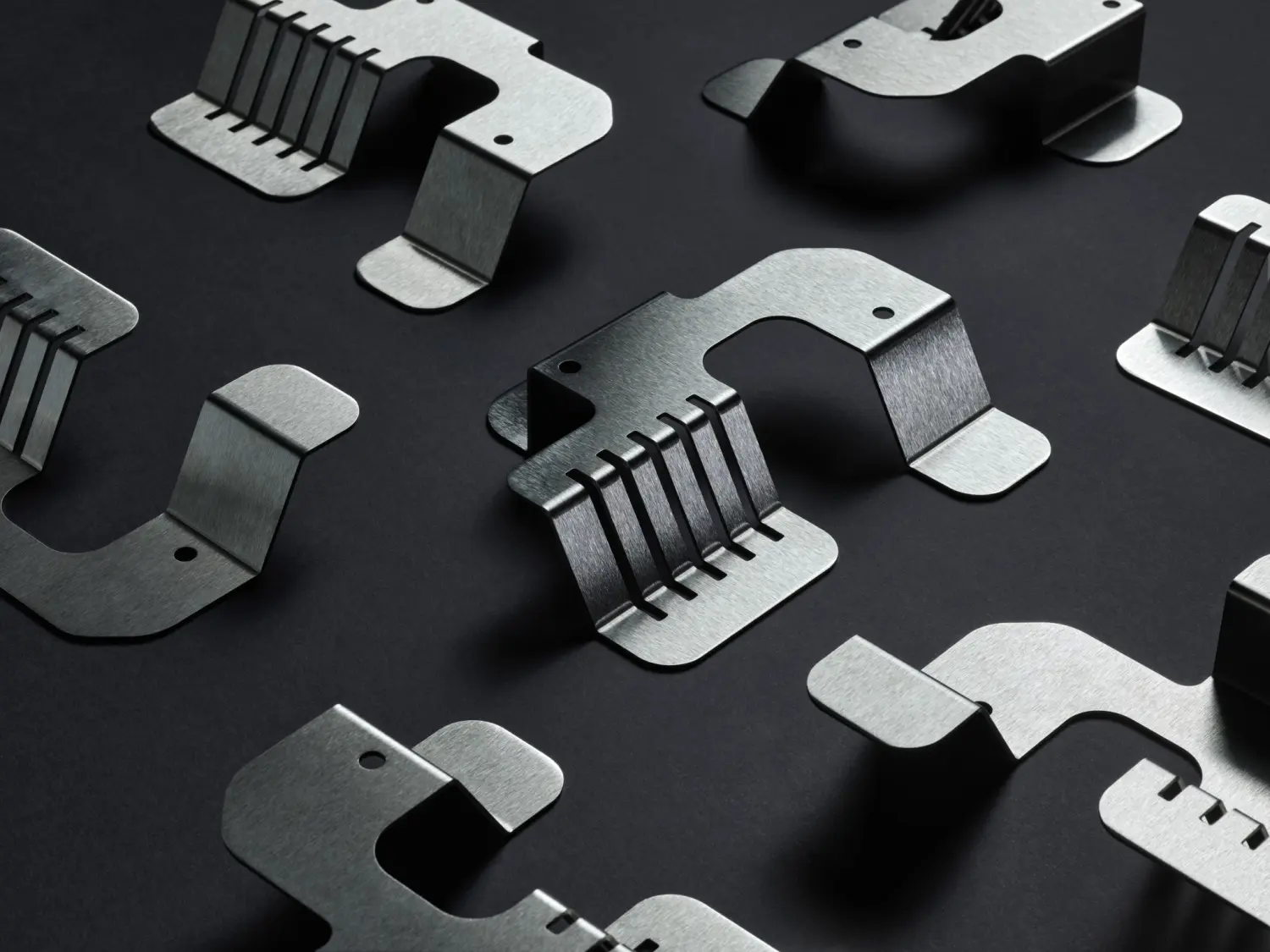
A wide variety of industries find use for sheet metal parts, which are essential to modern industry. These adaptable parts are used in a wide range of goods, from electronics to aerospace to automotive and beyond. In-depth exploration of the many applications of sheet metal components and their importance in the larger framework of production and innovation is provided in this thorough book.
Vehicle Sheet Metal Parts
The automotive sector is among the biggest users of sheet metal components. With so many advantages that make them essential, these parts support the performance, safety, and structural integrity of cars.
Body Panels: The outside body panels of cars, trucks and other vehicles are made of sheet metal components. In addition to offering defence against the weather, these panels preserve the structural soundness of the car and enhance its appearance.
Components of the chassis: For strength and stability, the chassis, or structural frame of the car, mostly depends on sheet metal components. Because these pieces guarantee that the weight of the car is distributed equally, stability is provided and other parts’ wear and tear is reduced.
Exhaust systems are built in large part with sheet metal components. For pipes, mufflers, and catalytic converters, the metal’s toughness and resistance to heat and corrosion provide effective and safe emission control.
Interior Features: Brackets, seat frames, and dashboard structures are just a few of the sheet metal components that add to the interior of the car. Strong and durable, these components enable a range of electronics and interior elements.
Construction Industry Sheet Metal Parts
Because sheet metal pieces are so durable and adaptable, the building industry uses them extensively for both structural and decorative purposes.
Structural Elements: Frames, beams, and columns made of sheet metal pieces are vital components of buildings and infrastructure projects. Ideal for these uses, the metal’s strength-to-weight ratio guarantees structural integrity without adding undue weight.
Roofing and Cladding: Sheet metal components offer both visual appeal and weather protection for structures as roofing and exterior cladding. Because it is long-lasting and corrosion-resistant, metal roofing is especially prized for providing buildings with ongoing protection.
HVAC Systems: For their ducting, vents, and covers, HVAC systems depend on sheet metal components. Buildings with effective airflow and temperature control are ensured by the metal’s flexibility and conductivity in these components.
Decorative Features: Trims, railings and ornamental panels are just a few of the decorative uses for sheet metal components. Buildings are made visually interesting by these elements, which also highlight the flexibility of the metal in design and construction.
Electronic Industry Sheet Metal Parts
Another important industry that gains from sheet metal parts is electronics, which uses them to make housings, enclosures, and other pieces that support and shield electronic equipment.
Enclosures: Electronic equipment are enclosed by sheet metal components that screen internal components from electromagnetic interference and prevent damage. These applications are best served by the metal’s conductivity and heat dissipation properties.
Electronic devices are made stable and orderly by the mounting brackets that sheet metal components make for circuit boards, power supply, and other internal components. Furthermore assisting in cable management and avoiding tangling or damage are these brackets.
Heat sinks are formed sheet metal components that help to dissipate heat produced by electronic components. By doing this, gadgets run more smoothly and run less chance of overheating, which prolongs the life of electronic goods.
Chassis: Sheet metal components frequently make up the chassis of electrical equipment, including televisions and computers. These components support internal parts and add to the device’s general design and operation by offering a robust framework.
Aircraft Industry Sheet Metal Parts
Sheet metal parts are used by the aerospace industry for a variety of purposes, including interior components and aircraft structures, which advances the industry and promotes invention.
Wings and fuselage panels are among the sheet metal components that make up an aircraft’s external body. With their minimal weight and robustness, these parts guarantee the effectiveness and performance of the aircraft.
Interior Structures: Seating frames, cabin dividers and storage spaces are examples of the interior structures that sheet metal components build for aeroplanes. Through their support and organisation within the aircraft, these parts guarantee the comfort and safety of the passengers.
Engine Components: Turbine blades, exhaust systems, and engine casings are just a few of the components for which the aerospace industry depends on sheet metal. Ideal for these high-temperature applications, the metal’s toughness and heat resistance guarantee safe and effective functioning.
Avionics: By enclosing and mounting sensors, sheet metal components support the avionics systems of aeroplanes. With their stability and protection, these parts help the aeroplane fly safely.
Home Appliance Industry Sheet Metal Parts
Furthermore important to the longevity, performance, and design of many goods in the home appliance sector are sheet metal components.
Appliances for the Kitchen: Ovens, refrigerators, and dishwashers are among the appliances for which sheet metal components are essential. For these products, the metal’s robustness and resistance to heat and corrosion guarantee long-term performance.
Laundry Appliances: Sheet metal is used for both the inside and outside of washing machines and dryers. The stability and support that the metal offers add to the longevity and usefulness of the appliances.
Sheet metal components are used to make fans, air conditioners, and heaters as well as heat exchangers, brackets, and enclosures. These parts make sure these appliances run well and add to the comfort of the home.
Home Decor: Light fixtures, wall panels and furniture can all be made decoratively with sheet metal components. These uses combine usefulness with visual appeal to demonstrate the adaptability of sheet metal.
Uses for Sheet Metal Parts
Benefits abound for sheet metal parts, which helps explain their extensive application in many industries:
Versatility: From structural components to ornamental elements, sheet metal parts can be formed and altered to fit a variety of uses.
Durability: High resistance to corrosion and wear, such as that found in copper, stainless steel, and aluminium, makes sheet metal components long-lasting.
High accuracy in sheet metal part creation is made possible by sophisticated fabrication methods including CNC machining and laser cutting, which guarantee correct dimensions and operation.
Cost-Effectiveness: Because sheet metal parts can be manufactured in large quantities, they are a more affordable choice for a variety of businesses.
Flexibility in production runs is made possible by the capacity to scale sheet metal fabrication procedures to suit both big and small projects.
Finish
Sheet metal components are essential to the design, durability, and functionality of many products in contemporary industry. These adaptable parts provide solutions that improve performance and creativity in many industries, from electronics and aerospace to automotive and construction.
Because of their advantages—variability, robustness, accuracy, and economy—sheet metal components are a necessary aspect of production. The need for these pieces is predicted to increase as industries develop, guaranteeing their ongoing importance in forming the future technologies and goods.